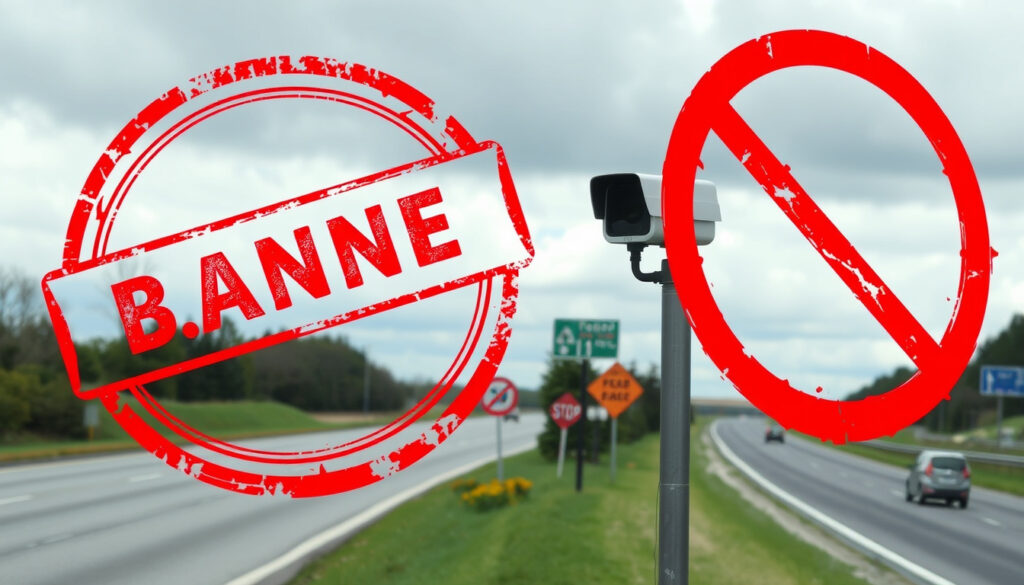
Doug Ford Speed Cameras – Ontario Ban Stands Amid Debate
Ontario’s automated speed enforcement cameras were officially banned on November 14, 2025, when Premier Doug Ford’s Bill 56 took effect, prohibiting municipalities from using speed cameras in school and community zones. The move marked a significant shift in provincial road safety policy, with Ford characterizing the devices as revenue-generating tools rather than effective safety measures.
The ban forced municipalities across the province to deactivate or remove their existing cameras, though tickets issued on or before November 13, 2025, remained enforceable. As communities grappled with the sudden loss of automated enforcement, reports emerged of increased speeding in previously monitored areas, prompting ongoing debates about the best approach to protecting vulnerable road users.
Are Speed Cameras Coming Back in Ontario?
The question of whether speed cameras will return to Ontario remains unanswered by provincial authorities. As of the ban taking effect, no official reversal has been announced, and social media claims suggesting the devices might be reinstated have not been verified by government sources.
Four key facts define the current situation regarding speed cameras in Ontario.
- Status: Banned since November 14, 2025, via Bill 56
- Recent Development: Ford suggested speed bumps for Ottawa school zones as an alternative
- Impact: Some cities report increased speeding following camera removal
- Policy Gap: No official announcement confirming any reversal of the ban
Key Insights
Understanding the speed camera debate requires examining several critical points that have shaped public and governmental discourse:
- Premier Ford repeatedly characterized speed cameras as “cash grabs” designed primarily to generate municipal revenue rather than improve safety
- Ford cited specific examples, including a Toronto camera that issued over 63,000 tickets generating more than $7 million in fines
- Following the ban, Ottawa reported a noticeable increase in speeding vehicles through previously monitored corridors
- Ontario pledged $210 million in provincial funding for alternative road safety measures including physical infrastructure
- Over 20 mayors and municipal leaders urged Ford to reconsider the ban, warning of serious negative impacts on road safety
- Ontario became the first province in Canada to repeal speed cameras after initially introducing them
Snapshot of Key Facts
| Fact | Details | Source |
|---|---|---|
| Ban Date | November 14, 2025, via Bill 56 | CityNews Kitchener, CARSP |
| Ford’s Position | Speed cameras as “cash grabs” | CARSP analysis |
| Replacement Funding | $210 million pledged for alternative measures | CityNews Kitchener |
| Immediate Infrastructure | $42 million for speed bumps, raised crosswalks, roundabouts | CityNews Kitchener |
| Toronto Example | 63,000+ tickets, over $7 million in fines from single camera | CARSP, YouTube |
| Municipal Opposition | Over 20 mayors urged reconsideration | CARSP |
| Provincial Comparison | Ontario first province to repeal after introducing | CARSP |
What is Doug Ford’s Stance on Speed Cameras in Ottawa?
Premier Ford has expressed particular interest in alternative safety measures for Ottawa’s school zones. Following reports of increased speeding in areas where cameras were removed, Ford publicly endorsed physical traffic-calming infrastructure as a practical solution for protecting students and pedestrians.
During recent public comments, Ford described installing speed bumps near schools as a “no brainer” approach, suggesting that municipalities should prioritize visible, physical deterrents over automated enforcement technology. This stance reflects his broader argument that municipalities had relied too heavily on cameras as a revenue source rather than addressing root causes of speeding behavior.
Provincial Support for Local Measures
The Ford government allocated significant resources to help municipalities implement alternatives to speed cameras. In the lead-up to the ban taking effect, Ontario announced $42 million in immediate funding for physical traffic-calming infrastructure across affected communities.
Available measures include speed bumps, raised crosswalks, roundabouts, new signage, and enhanced police enforcement presence. Additional support included large flashing signs for school zones and other permanent traffic-calming installations designed to encourage driver compliance through environmental design rather than automated detection.
What Was Doug Ford’s Announcement on Ontario Speed Cameras?
The formal announcement establishing the speed camera ban came through Bill 56, officially titled the Building a More Competitive Economy Act. This legislation repealed Part XIV.1 of the Highway Traffic Act, eliminating the provincial authorization framework that had permitted municipalities to deploy automated speed enforcement cameras.
Bill 56 specifically targeted the legal basis for speed cameras, requiring municipalities to deactivate or remove devices that had operated under provincial authority. The repeal applied uniformly across all Ontario municipalities regardless of local support for the technology.
The “Cash Grab” Rationale
Ford consistently framed the ban as a necessary correction to what he described as municipal overreach in using speed cameras primarily for revenue generation. His government pointed to data showing that some cameras generated enormous volumes of tickets as evidence that the devices had failed to achieve their stated safety purpose.
Specific examples included Waterloo Region’s cameras, which issued close to 55,000 tickets in their first six months of operation. Ford argued that if cameras genuinely worked to reduce speeding behavior, such high violation rates would not persist over time, suggesting that drivers had simply become resigned to paying fines rather than modifying their driving habits.
What Are the Impacts of the Speed Cameras Ban in Ontario?
The ban on automated speed enforcement has produced measurable effects across Ontario municipalities that previously relied on the technology. Communities have reported increased incidents of speeding in zones that had been monitored by cameras, particularly in school areas and community safety zones.
Community Safety Concerns
Road safety stakeholders have expressed significant concern about the policy shift. The Ontario Association of Chiefs of Police noted that speed cameras have been proven to reduce speeding and improve driver behavior through consistent enforcement presence. Their analysis suggested that removing automated enforcement could lead to short-term increases in dangerous driving behavior.
More than 20 mayors and municipal leaders formally urged the Ford government to reconsider the ban, warning that eliminating speed cameras would have serious negative impacts on road safety. Their collective appeal highlighted concerns about the loss of a proven tool for protecting vulnerable road users, particularly children in school zones.
Divergent Local Responses
Not all municipalities have responded uniformly to the ban. Toronto Mayor Olivia Chow and Toronto Police Chief countered the provincial position by citing data showing that cameras had contributed to reduced traffic fatalities in the city. They announced plans to strengthen the city’s automated speed enforcement program within the limits permitted by the new legislation.
This divergence underscores tensions between municipal priorities and provincial direction, with some urban centers arguing that locally-tailored enforcement approaches better address specific community safety needs than blanket provincial policies.
Timeline of Events
The following chronological sequence outlines key developments in Ontario’s speed camera policy:
- Pre-ban period: Municipal speed cameras operated across Ontario in school and community zones
- Bill 56 passage: Ford government passes legislation repealing Highway Traffic Act provisions authorizing speed cameras
- November 13, 2025: Final day of camera operation; tickets issued remain enforceable
- November 14, 2025: Ban takes effect; municipalities deactivate cameras province-wide
- Post-ban monitoring: Toronto police and Ottawa officials report increased speeding in former camera zones
- Infrastructure rollout: $42 million in immediate funding deployed for physical traffic-calming measures
- Continued debate: Municipal leaders and police associations continue advocating for restoration of automated enforcement options
What Is Clear and What Remains Uncertain
Separating established facts from unresolved questions helps readers understand the current state of Ontario’s speed camera policy.
Established Information
- The ban via Bill 56 remains in effect as of November 14, 2025
- Premier Ford supports physical alternatives including speed bumps over camera reinstatement
- $210 million in provincial funding has been pledged for alternative road safety measures
- Ontario was the first Canadian province to repeal speed camera programs after introducing them
- Tickets issued before the ban took effect remain legally enforceable
Information That Remains Unclear
- Whether any future legislation might restore municipal authority to deploy speed cameras
- The long-term effectiveness of physical traffic-calming alternatives in reducing speeding incidents
- Whether social media reports claiming cameras might return have any basis in government planning
- The specific timeline for full implementation of replacement infrastructure across all affected municipalities
Understanding the Broader Policy Context
The speed camera debate reflects deeper tensions in Ontario’s approach to road safety governance. The Ford government has positioned the ban as a correction to municipal practices that allegedly prioritized revenue over genuine safety improvements. This framing positions the provincial government as protecting citizens from what it characterizes as unfair municipal revenue extraction.
Critics of the ban, including law enforcement professionals and municipal officials, argue that this framing oversimplifies the relationship between automated enforcement and road safety outcomes. Research cited by police associations suggests that speed cameras produce measurable reductions in both speeding incidents and collision rates, particularly in areas with high pedestrian activity such as school zones.
Ontario’s position also contrasts sharply with other provincial governments across Canada. British Columbia, Saskatchewan, Manitoba, Quebec, and Newfoundland and Labrador continue operating speed camera programs, suggesting that the Ontario approach represents an outlier in national road safety strategy rather than an emerging consensus.
Official Sources and Key Quotes
“If cameras actually worked to reduce speeding, such high violation volumes would not persist.”
— Premier Doug Ford, on the rationale for banning speed cameras
“Speed bumps are a no brainer for schools.”
— Premier Doug Ford, on alternative safety measures for Ottawa school zones
Primary sources for this coverage include official government communications, legislative text from Bill 56, and reporting from regional news outlets including CityNews Kitchener. Analysis and policy context have been drawn from the Canadian Association of Road Safety Professionals (CARSP), which has published detailed evaluations of the decision to ban automated speed enforcement in Ontario.
Summary
Ontario’s ban on automated speed enforcement cameras represents a significant policy departure that took effect on November 14, 2025. Premier Ford’s government maintains that speed cameras functioned primarily as revenue tools rather than effective safety measures, pointing to high ticket volumes from individual devices as evidence. Municipalities have been directed toward physical traffic-calming alternatives including speed bumps, raised crosswalks, and enhanced signage, supported by $210 million in provincial funding.
The ban has generated substantial opposition from municipal leaders and road safety professionals who argue that removing automated enforcement will lead to increased speeding and higher risks for vulnerable road users. While some cities report early evidence of increased speeding in former camera zones, the long-term impacts of the policy shift remain to be seen. For those interested in provincial infrastructure approaches, the London Ontario attractions guide provides context on broader community planning efforts in the region.
Frequently Asked Questions
When did Ontario ban speed cameras?
Ontario banned automated speed enforcement cameras on November 14, 2025, when Bill 56 took effect, repealing provisions of the Highway Traffic Act that had authorized their use.
What replaced speed cameras in Ontario?
The province pledged $210 million for alternative road safety measures, including $42 million for immediate infrastructure such as speed bumps, raised crosswalks, roundabouts, and enhanced signage.
Are speed cameras coming back in Ontario?
No official reversal of the ban has been announced. Social media claims suggesting cameras might return remain unverified by government sources.
What did Doug Ford say about speed cameras?
Ford characterized speed cameras as “cash grabs” used by municipalities primarily for revenue generation rather than safety. He has advocated for physical traffic-calming measures as more effective alternatives.
Which other provinces still have speed cameras?
British Columbia, Saskatchewan, Manitoba, Quebec, and Newfoundland and Labrador continue operating speed camera programs, making Ontario the first province to repeal the technology after introducing it.
Did tickets issued before the ban still apply?
Yes. Tickets issued on or before November 13, 2025, remained enforceable after the ban took effect. Individuals were still required to pay or dispute those violations.
What happened in Ottawa after the ban?
Reports emerged of increased speeding in areas where cameras had been removed. Ford subsequently suggested installing speed bumps near Ottawa schools, calling it a “no brainer” approach.
Who opposed the speed camera ban?
Over 20 mayors and municipal leaders urged reconsideration, along with the Ontario Association of Chiefs of Police. Toronto’s mayor and police chief cited evidence that cameras had reduced traffic fatalities.
More related posts
 Donna Reed: Jimmy Stewart Feud & Age in Wonderful Life
 Alex Albon: F1 Driver Bio, Career Stats & Personal Life
 How to Treat a Stye: Fast & Effective Home Remedies
 Craig Kielburger Secondary School – Milton High School Overview
 38 cm to Inches – Exact Conversion 14.96
 Diana Ross: Children, Relationships, and Life Facts
 CRA Payroll Calculator 2025: Free Online Deductions Tool
 Cast of Ballard (TV Series): Actors, Characters & Season 2