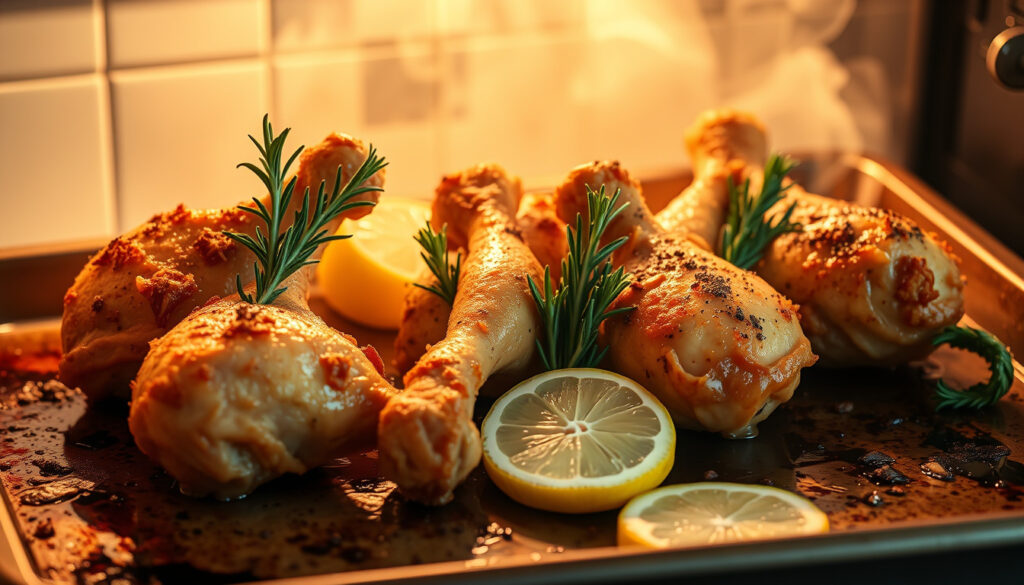
Pilon de Poulet au Four – Crispy Oven Drumsticks Recipe
Oven-baked chicken drumsticks, known as pilon de poulet au four, represent one of the most straightforward and satisfying approaches to preparing this versatile cut of poultry. The method transforms economical drumsticks into a meal that works equally well for casual family dinners and more intentional weeknight planning. Unlike braising or slow-cooking techniques, oven-baking achieves a balance of crispy exterior and tender, juicy meat that many home cooks find ideal. The process requires minimal active involvement, making it accessible to beginners while offering enough nuance to reward experienced home chefs who pay attention to temperature, timing, and technique.
Understanding the fundamentals of temperature selection, internal doneness, and seasoning approach helps ensure consistent results every time. This guide covers the essential parameters that most recipes converge upon, along with practical tips gathered from multiple culinary sources that specialize in approachable home cooking.
How to Cook Pilon de Poulet au Four
The foundation of successful oven-baked drumsticks rests on three variables: oven temperature, cooking duration, and internal meat temperature. Most recipe sources align on a temperature range between 375°F and 425°F, with the specific choice affecting texture outcomes rather than safety. A meat thermometer remains the most reliable tool for determining when drumsticks have reached their peak, as visual cues alone can be deceptive with dark meat cuts.
400°F (200°C) represents the most commonly cited middle ground, offering a balance between cooking speed and skin texture development.
At a Glance
Prep Time
10 minutes
Cook Time
35-45 minutes
Servings
4 people
Calories
~300 per drumstick
Key Insights for Best Results
- Pat drumsticks completely dry with paper towels before seasoning to maximize skin crispiness
- Space pieces 1-2 inches apart on a wire rack or baking sheet to prevent steaming
- Use a meat thermometer rather than relying on cooking time alone
- Allow drumsticks to rest 5 minutes after removing from oven before serving
- Aim for internal temperatures between 175-195°F for fall-off-the-bone tenderness
- Line pans with foil or parchment for straightforward cleanup afterward
Temperature and Time Reference
| Temperature | Duration | Rotation | Best For |
|---|---|---|---|
| 425°F | 35-40 minutes | Optional once | Maximum crispiness |
| 400°F | 30-45 minutes | Halfway or broil end | Golden brown finish |
| 375°F | 45 minutes | Rotate at 20 min | Larger batches |
| 165°F | Minimum safe | Verify with probe | Food safety baseline |
| 175-195°F | Optimal texture | Verify with probe | Juicy, tender results |
Easy Recipe for Oven Baked Chicken Drumsticks
A basic recipe for pilon de poulet au four requires just a handful of ingredients and roughly one hour total from start to finish. The beauty of this approach lies in its flexibility—seasonings can be adjusted based on preference, and the technique adapts readily to whatever spices happen to be on hand. Most recipes begin with the same foundation: quality drumsticks, a fat medium for moisture and browning, and a straightforward spice blend that introduces flavor without complexity.
For eight to seventeen drumsticks, the following proportions work well. Begin with skin-on drumsticks, as the skin renders fat and crisps during baking, contributing significantly to both texture and flavor. Remove drumsticks from refrigeration approximately twenty minutes before cooking to allow them to approach room temperature, which promotes more even cooking throughout.
Essential Ingredients
- Chicken drumsticks, skin-on (2-3 pounds works for 6-8 pieces)
- 2-3 tablespoons olive oil or neutral cooking oil
- 1 teaspoon each: salt, garlic powder, onion powder, smoked paprika
- ½ teaspoon black pepper
- Optional: ¼ teaspoon cayenne for heat, ½ teaspoon dried herbs
Whisk the oil and spices together in a small bowl until a paste forms. The mixture should coat the back of a spoon and hold together slightly. For more pronounced flavor, this blend can be prepared up to a day ahead and stored at room temperature. Some cooks prefer to drizzle melted butter over the seasoned drumsticks before baking, which adds richness and aids browning.
Preparation Steps
Place drumsticks in a single layer on a baking sheet lined with parchment paper or aluminum foil. For the crispiest results, position a wire rack atop the baking sheet and place drumsticks directly on the rack, which allows air circulation beneath the skin. Using tongs, coat each drumstick thoroughly with the spice paste, ensuring coverage on all surfaces including the underside. Arrange pieces with space between them—overcrowding causes steaming rather than browning.
Preheat the oven to 400°F (200°C) and allow it to fully reach temperature before inserting the baking sheet. Position the rack in the center of the oven for consistent heat distribution. After 20-25 minutes, check the drumsticks and rotate the pan if browning appears uneven. Continue baking until a thermometer inserted into the thickest portion reads between 175°F and 185°F. For a particularly crispy finish, switch to broil for the final 2-3 minutes, watching carefully to prevent burning.
Recipes indicate that marinades work best when applied for at least 30 minutes, though overnight marinating in the oil-spice mixture does not significantly improve results beyond the overnight mark.
Tips for Crispy and Juicy Pilon de Poulet au Four
Achieving both crispiness and juiciness in oven-baked drumsticks requires understanding how dark meat behaves during cooking and managing several controllable factors. The contrast between a crackling skin and tender, moist meat represents the holy grail of this cooking method, and most of the variation between recipes comes down to techniques that influence these outcomes.
Moisture Management
Excess surface moisture represents the primary enemy of crispy skin. Pat drumsticks thoroughly with paper towels before applying any seasoning or oil. This step removes surface moisture that would otherwise need to evaporate before browning can begin. Some cooks go so far as to let seasoned drumsticks rest uncovered in the refrigerator for several hours or overnight, which further dries the skin and intensifies the eventual crispiness.
Internal moisture, conversely, should be preserved through careful attention to cooking temperature and duration. The connective tissue in dark meat breaks down most effectively when cooked to higher internal temperatures—above 175°F—which is why recipes consistently recommend pulling drumsticks from the oven once the thermometer registers in this range. At the USDA minimum of 165°F, the meat is technically safe but often appears slightly pink near the bone and lacks the tender texture that higher temperatures develop.
Temperature Strategy
The choice of oven temperature affects both texture and convenience. Higher temperatures like 425°F cook faster and produce crispier skin more reliably, but require closer attention to prevent burning. Lower temperatures like 375°F offer more forgiving timing and suit situations where the drumsticks share oven space with other dishes requiring different temperatures. Many home cooks settle on 400°F as an optimal middle ground that delivers good results without demanding precision timing.
Broiling for a brief period at the end of cooking represents a technique that multiple sources recommend for enhancing skin crispiness. After the drumsticks reach their target internal temperature, switch the oven to broil and position the baking sheet approximately 6 inches from the heating element. Two to three minutes per side typically produces the desired effect, though watching carefully prevents the transition from golden to burnt.
Equipment Considerations
A wire rack elevated above the baking sheet creates superior results compared to placing drumsticks directly on foil or parchment. The elevated position allows hot air to circulate beneath the drumsticks, addressing moisture that might otherwise collect and cause the skin to steam rather than crisp. This arrangement also prevents the underside from sticking, which frequently occurs when fat renders heavily during cooking.
Maintaining 1-2 inches of space between each drumstick ensures proper airflow. Overcrowded drumsticks steam in their own moisture and fail to develop the crispy exterior that characterizes well-prepared examples.
Nutrition and Serving Ideas for Oven Baked Drumsticks
Understanding the nutritional profile of oven-baked drumsticks helps with meal planning and dietary awareness, though exact values vary based on several factors including the size of individual drumsticks, whether skin is consumed, and the amount of oil or seasoning applied during preparation.
Approximate Nutritional Information
A single skin-on baked drumstick weighing approximately 4-5 ounces contains roughly 300-320 calories according to multiple recipe sources. The majority of these calories come from protein and fat, with the skin contributing a meaningful portion of the fat content. Each drumstick provides approximately 25 grams of protein, making this a protein-dense option that satisfies hunger effectively.
Removing the skin before consumption reduces caloric intake by approximately 50 percent, bringing a single drumstick down to roughly 150-160 calories. The fat content drops significantly while protein remains high, which may appeal to those monitoring fat intake for dietary reasons. Seasoning oils and spice blends add approximately 50-100 calories depending on quantity and type, so tracking these additions provides more accurate totals for those monitoring intake carefully.
| Component | Per Drumstick (Skin-On) | Per Drumstick (Skin-Off) |
|---|---|---|
| Calories | 300-320 | 150-160 |
| Protein | ~25g | ~25g |
| Fat | Moderate (from skin) | Lower |
| Carbohydrates | Negligible | Negligible |
Those seeking precise nutritional data may find recipe-specific calculators helpful, as variables such as exact drumstick weight, oil quantity, and specific seasoning blends influence outcomes. Online nutrition databases and recipe tracking applications allow for customization based on the specific ingredients and quantities used in individual preparations.
Serving Suggestions
Oven-baked drumsticks pair naturally with a variety of side dishes that balance the savory richness of the poultry. Simple accompaniments work well: roasted vegetables, steamed greens, rice pilaf, or crusty bread for absorbing pan juices. A light salad dressed with lemon and olive oil complements the fattiness of the drumsticks without overwhelming their flavor.
For a more substantial spread, consider incorporating the drumsticks into a themed meal. Mediterranean accompaniments might include hummus, tabbouleh, and warm pita. A backyard barbecue theme suggests coleslaw, baked beans, and corn on the cob. The neutral seasoning approach outlined earlier allows flexibility in pairing without committing to a specific cuisine.
The Step-by-Step Process
Breaking the cooking process into discrete phases helps manage time and ensures nothing gets overlooked during preparation. The following sequence represents the logical flow from initial ingredient gathering through final plating.
- Gather ingredients and equipment: Drumsticks, oil, spices, baking sheet, wire rack, meat thermometer, paper towels, small bowl for mixing.
- Prepare the drumsticks: Remove from refrigerator 20 minutes before cooking. Pat completely dry with paper towels.
- Mix seasoning paste: Combine oil with salt, garlic powder, onion powder, paprika, and pepper in a small bowl until uniform.
- Apply seasoning: Using tongs or your hands, coat each drumstick thoroughly with the spice paste, working it into all surfaces.
- Arrange on rack: Place drumsticks on a wire rack above a foil-lined baking sheet, spacing 1-2 inches apart.
- Preheat and bake: Set oven to 400°F. Once fully heated, position rack in center and bake 35-45 minutes.
- Check temperature: Insert thermometer into thickest part of the meatiest drumstick. Target 175-185°F for optimal tenderness.
- Optional broil: For extra crispy skin, switch to broil for 2-3 minutes per side, watching carefully.
- Rest before serving: Allow drumsticks to rest 5 minutes on the rack or a serving platter before serving.
What We Know and What Remains Unclear
Several aspects of oven-baked drumsticks enjoy broad consensus among recipe sources, while others show variation depending on specific circumstances or remain dependent on individual preference rather than objective standards.
Established Information
- 165°F represents the USDA minimum safe internal temperature for poultry
- 175-195°F produces noticeably more tender, juicy dark meat
- 400°F serves as a reliable middle-ground temperature
- Patting dry improves crispiness
- Spacing prevents steaming
- Resting 5 minutes improves texture
Variables and Preferences
- Optimal seasoning quantities depend on individual taste
- Exact timing varies by oven calibration and drumstick size
- Skin crispiness preference varies among individuals
- Whether to flip during cooking remains optional at most temperatures
- Marinade necessity depends on seasoning goals
Background and Context
Chicken drumsticks occupy a middle ground in the poultry hierarchy, offering more flavor than breast meat due to their higher fat content and connective tissue, while remaining more economical than premium cuts like thighs or wings. This combination makes them appealing to home cooks seeking value without sacrificing taste or satisfaction. The French term “pilon” specifically refers to the drumstick portion, acknowledging the cooking technique through “au four,” which simply means “in the oven.”
Oven-baking represents a healthier alternative to fried preparations while still delivering crispy skin that many find appealing. The method requires minimal active cooking time compared to stovetop or grill approaches, freeing the cook to attend to side dishes or other meal components. This hands-off quality has contributed to the technique’s popularity among busy households seeking nutritious options that don’t demand constant attention.
The technique has evolved alongside kitchen equipment improvements, with modern convection ovens enabling faster, more even cooking, and air fryers offering a compact alternative that many home cooks have incorporated into their rotation. Regardless of the specific equipment used, the core principles—adequate temperature, proper internal doneness, and moisture management—remain consistent across variations.
Sources and Expert Perspectives
Multiple culinary websites and food-focused publications have published recipes for oven-baked chicken drumsticks, with most converging on similar parameters for temperature, time, and technique. These sources range from budget-conscious recipe collections emphasizing economy to health-focused sites prioritizing nutrition, with several occupying middle ground by offering practical, balanced guidance.
The key to truly tender drumsticks lies not in avoiding higher temperatures, but in understanding that dark meat requires them. The breakdown of collagen into gelatin happens most efficiently above 175°F, which is why recipes that pull drumsticks too early often produce tough, stringy results despite reaching the technically safe 165°F mark.
— Multiple recipe developers specializing in home cooking techniques
Food safety guidelines from governmental sources consistently recommend 165°F as the minimum internal temperature for poultry, though many experienced cooks and recipe developers note that this temperature produces suboptimal texture in dark meat cuts. The discrepancy between safety minimums and optimal eating quality explains why many recipes specify higher target temperatures.
For those seeking authoritative guidance on food safety parameters, resources from public health organizations provide baseline recommendations that home cooks can then layer with technique-based recommendations from recipe developers. The Budget Bytes guide to baked chicken drumsticks offers detailed instructions that align closely with parameters found across multiple sources, demonstrating the convergence of professional home cooking guidance on this particular preparation method.
Summary
Pilon de poulet au four, or oven-baked chicken drumsticks, represents a reliable technique that produces satisfying results through straightforward methods. Success depends primarily on selecting an appropriate oven temperature—typically 400°F for balanced results—cooking until a meat thermometer reads between 175°F and 185°F, and allowing adequate resting time before serving. Seasoning flexibility permits adaptation to various cuisines and preferences, while the basic technique remains constant across variations.
For those exploring related topics or seeking complementary recipes, information about other poultry preparations and seasoning approaches may provide useful context for expanding beyond this foundational technique.
Frequently Asked Questions
Is pilon de poulet au four a healthy choice?
Oven-baking produces a healthier result than frying while still achieving crispy skin. A skin-on drumstick contains roughly 300-320 calories with significant protein, making it a protein-dense option that satisfies hunger effectively.
Can I use frozen drumsticks?
Frozen drumsticks require proper thawing before cooking. The safest approach involves overnight refrigerator thawing, though cold water thawing in sealed packaging accelerates the process. Never cook frozen drumsticks directly from the freezer.
What if I don’t have a meat thermometer?
Without a thermometer, estimating doneness becomes challenging. The juices typically run clear when fully cooked, and the meat should pull easily from the bone. However, these visual cues prove less reliable than temperature measurement.
Do I need to marinate the drumsticks?
Marinating is optional. A basic spice paste applied shortly before cooking provides adequate flavor. Extended marinating beyond 24 hours does not meaningfully improve results according to recipe sources.
What’s the difference between baking at 375°F versus 425°F?
Higher temperatures like 425°F cook faster and produce crispier skin more reliably. Lower temperatures like 375°F offer more forgiving timing and suit situations requiring longer cooking with other dishes.
Can I make this recipe without skin?
Skin removal reduces calories by approximately 50 percent but also eliminates the crispy texture element. Without skin, the meat may cook faster and benefit from slightly reduced oven temperature to prevent drying.
What internal temperature should I target?
165°F represents the USDA minimum for food safety, though targeting 175-185°F produces noticeably more tender, juicy results in dark meat cuts like drumsticks.
More related posts
 Laval Rocket Score: Schedule, Standings & Team Guide
 Lord of the Rings Characters – Alphabetical List with Actors
 Things to Do in London Ontario – Attractions Parks Events
 Lucky Color of the Year 2026: Feng Shui, Zodiac & Pantone
 Camilla Araujo: The MrBeast Staffer Who Quit OnlyFans
 Team Canada World Juniors 2026: Roster, Losses & Elimination
 Jameliz Smith (Jellybean Brains): Real Name, Age, TikTok
 Tommy Hilfiger Canada Outlet: Stores, Sales & Facts