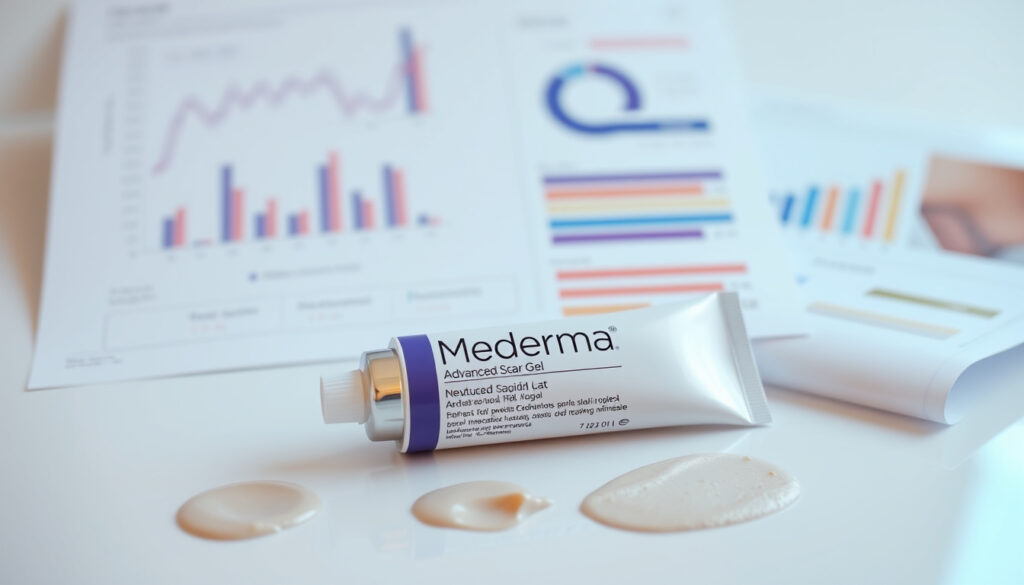
Mederma Advanced Scar Gel – Reviews, Results and Research
Mederma Advanced Scar Gel has remained a staple in scar treatment for years, marketed as a solution for everything from post-surgical marks to stubborn acne scars. The product claims to improve the appearance of scars through a proprietary onion extract formula, but user experiences and clinical evidence tell a more nuanced story. A closer look at the latest reviews, research, and practical guidance reveals what the gel can and cannot realistically deliver.
The product sits at a crossroads between consumer expectation and scientific scrutiny. While countless users report improvements in scar color and texture after weeks of consistent application, peer-reviewed studies have struggled to demonstrate clear superiority over basic moisturizers. This disconnect between user testimony and clinical data raises important questions for anyone considering the gel as a scar treatment option.
Understanding what Mederma can and cannot do requires examining both the lived experiences of those who have used it and the controlled research that attempts to measure its effects objectively. The answers that emerge are anything but straightforward.
Does Mederma Advanced Scar Gel Work?
The question of whether Mederma Advanced Scar Gel actually works generates responses that fall into distinct categories. Customer reviews from platforms like iHerb, Home Tester Club, Walmart, and YouTube provide one picture, while clinical research offers another. The reality appears to sit somewhere between the two.
What the Numbers Say
Aggregated review data suggests an average rating of approximately 4.3 out of 5 stars across major retail platforms, with particularly positive feedback from users treating acne scars and newer marks. Users frequently describe improvements in scar coloration, texture smoothness, and overall visibility after sustained use spanning several weeks.
Key Insights from User Experiences
- Many users report visible fading of acne scars within 2 to 6 weeks of daily application
- Old scars show softening and gradual lightening after several weeks of consistent use
- The gel is frequently described as non-greasy and quick-absorbing, forming a clear film
- Surgical scars may show subtle improvements, though results tend to be less dramatic than with acne marks
- A YouTube 8-week trial documented gradual improvement on a facial surgical scar, with continued use planned
- Not all users experience significant changes; some report no dramatic difference after weeks of use
- Skin sensitivity plays a role, with rare cases of redness or itching reported, particularly near sensitive areas like the eyes
| Factor | Details |
|---|---|
| Primary Active Ingredient | Onion extract (Allium cepa) |
| Supporting Ingredients | Allantoin, panthenol, hyaluronic acid |
| Application Method | Thin layer, once daily, massage until absorbed |
| Visible Results Timeline | 2–8 weeks with daily consistent use |
| Reported Average Rating | Approximately 4.3/5 stars |
| Suitable Skin Types | Most skin types; patch-test recommended |
| Available Sizes | 0.7 oz (20g), 1.76 oz (50g) |
| Typical Price Range | $20–$40 depending on size |
What Clinical Research Shows
The scientific evidence presents a more cautious picture. A randomized, double-blind trial published in Dermatologic Surgery by Harvard researchers tested Mederma against Aquaphor on 24 patients with new surgical scars larger than 4 centimeters. Participants applied the products three times daily for eight weeks following suture removal. The results showed no statistically significant improvement in appearance, size, height, vascularity, or symptoms between the Mederma group and the control group using the basic moisturizer.
A separate study published in Plastic and Reconstructive Surgery examined hypertrophic scars on rabbit ears over four weeks. While Mederma showed no reduction in scar size, height, vascularity, or inflammation, researchers noted marginally better collagen organization. This finding suggests potential benefit for raised scars, though human trial data remains limited.
The broader expert consensus points toward silicone-based treatments as the more evidence-backed standard for scar management, with onion extract products like Mederma occupying a less conclusively proven position in the treatment landscape.
How Do You Use Mederma Advanced Scar Gel?
Proper application plays a meaningful role in whether users experience the best possible outcomes with Mederma. The manufacturer and experienced users converge on a relatively simple routine that emphasizes consistency over technique complexity.
Step-by-Step Application
The recommended approach begins with clean, dry skin. A pea-sized amount of gel is generally sufficient for most scar areas. Users should apply a thin layer directly over the scar and massage gently until the product absorbs fully. The gel dries relatively quickly, leaving behind a clear, non-sticky film that does not transfer to clothing.
Most users apply the product once daily, typically in the morning, though the exact timing matters less than regularity. The product can be used under makeup or sunscreen without issue once fully dried.
Massaging the gel into the scar for 30–60 seconds improves absorption and may enhance effectiveness. Circular motions help the active ingredients penetrate more evenly across the scar tissue.
Using Mederma on the Face
Mederma can be applied to facial scars, including those left by acne. User reviews and dermatology-adjacent content on platforms like YouTube indicate that the gel performs well for facial application, with many users praising its non-greasy finish compared to oil-based alternatives.
However, caution applies near the eyes and other sensitive areas. Some users with sensitive skin have reported irritation, redness, or itching when the product migrates beyond the target scar area. A patch test before full facial application helps identify potential sensitivity issues before they become problematic.
Consistency and Duration
Results depend heavily on regular use over extended periods. Users who report the most satisfying outcomes typically maintain their application routine for at least eight weeks, with older scars sometimes requiring several months before improvements become noticeable. The gel tube tends to last 2–3 months with consistent once-daily application, making it a relatively economical option for long-term scar management. Pairing disciplined skincare routines with broader physical wellness habits—such as the exercises outlined in our guide on the Single Leg Glute Bridge – Proper Form and Key Benefits—reflects a similarly consistent, incremental approach to body recovery.
What Are the Ingredients and Side Effects?
Understanding what goes into Mederma Advanced Scar Gel helps contextualize both its potential benefits and its limitations. The formula centers on onion extract, a compound that has been studied for its anti-inflammatory and collagen-modulating properties.
Active Ingredients Breakdown
Onion extract (Allium cepa) serves as the primary active ingredient in Mederma. The compound contains flavonoids and other bioactive substances that manufacturers claim reduce inflammation and limit excessive collagen buildup in healing wounds. The remaining ingredients—allantoin, panthenol, and hyaluronic acid—primarily serve a hydrating and soothing function, creating an optimal environment for skin repair.
Research on onion extract has produced mixed conclusions. While laboratory studies show minor benefits for collagen organization, clinical trials have not demonstrated clear superiority for scar appearance when compared against basic moisturizers. The ingredient appears safe for most users but operates within a mechanism of action that remains incompletely validated by human studies.
Potential Side Effects
Mederma Advanced Scar Gel is generally well-tolerated, with most users experiencing no adverse effects. The product has a mild characteristic scent that dissipates quickly after application. When side effects occur, they typically manifest as localized skin reactions.
Mild irritation, redness, or itching may occur, particularly on sensitive skin or when the product contacts delicate areas like the skin around the eyes. Patch testing on a small area before widespread application is recommended for users with known skin sensitivities.
For children, specific safety data remains limited. Parents considering Mederma for pediatric scars should consult a healthcare provider to weigh the benefits against any unknowns, particularly for younger children or scars in sensitive locations.
Is Mederma Effective for Specific Scar Types?
Not all scars respond equally well to Mederma treatment. The product performs differently depending on scar age, type, location, and individual skin characteristics. Setting realistic expectations for each scar category helps users assess whether the product merits a trial.
Acne Scars and Marks
User reviews consistently rank Mederma as most effective for acne-related discoloration and superficial scarring. Multiple reviewers on platforms like iHerb and Walmart describe noticeable fading of acne marks within 2–6 weeks. One iHerb reviewer reported that a cluster of acne scars disappeared entirely within two weeks, with broader lightening continuing over the following month.
Acne marks—flat, discolored spots left behind after blemishes heal—respond particularly well because they lack the raised or indented texture of deeper scars. Mederma appears to address the pigmentation component most effectively, making it a reasonable first-line option for recent post-acne marks.
Surgical Scars
Surgical scar outcomes show more variability. A documented YouTube 8-week trial tracked results on a facial surgical scar, with the reviewer noting gradual improvement in coloration and texture. The dermatologist who recommended the product suggested continued use for several more months to gauge full potential.
Surgical scars that have fully matured and healed over many months or years respond less dramatically than newer marks. The distinction between hypertrophic scars (raised but within the boundaries of the original wound) and other types influences potential effectiveness, though definitive guidance remains scarce.
Old Scars
Older scars present the most significant challenge. User testimonials indicate that Mederma can soften and lighten scars several years old, but improvements tend to be subtler and take longer to materialize. Reviews mentioning old scar fading describe a gradual process requiring months of consistent application rather than weeks.
Mederma is not designed for keloid scars, which extend beyond the original wound boundaries and have a tendency to grow over time. Those with a history of keloid formation should consult a dermatologist before using any scar treatment product.
Mederma vs. Alternatives
When comparing Mederma against oil-based products like Bio Oil, users frequently prefer Mederma for its non-greasy texture and quick-drying formula. However, clinical experts generally recommend silicone-based treatments as the more evidence-backed option for scar prevention and reduction.
Studies indicate that silicone gels and sheets outperform onion extract-based products in controlled settings, though the difference may not be dramatic enough to dismiss user-reported benefits entirely. The choice between options often comes down to skin type preferences, cost considerations, and individual response patterns.
What to Expect: Timeline and Results
Understanding the typical progression of results helps users maintain realistic expectations and continue their regimen long enough to evaluate effectiveness properly. The timeline below reflects patterns reported across multiple user reviews and clinical observations.
- Week 1–2: Scar tissue begins softening. The surface may feel less rigid, though visible color changes are minimal during this phase.
- Week 3–4: Early color fading becomes apparent, particularly on lighter scars and acne marks. Texture improvements begin emerging in some users.
- Week 6–8: Most users report noticeable improvements by this stage. Scar coloration lightens further, and surface smoothness increases. Surgical scar trials have documented visible changes at the 8-week mark.
- Beyond 8 weeks: Continued gradual improvement is common for older scars. Some users report optimal results after 3–6 months of consistent application. Maintenance use may help preserve gains.
Individual results vary considerably based on scar type, age, location, skin type, and adherence to the application routine. Those who see no change after 8–12 weeks of consistent use may want to explore alternative treatments or consult a dermatologist.
What We Know and What We Don’t
The evidence around Mederma Advanced Scar Gel reveals a clear divide between established facts and areas where uncertainty persists. Weighing what is known against what remains unclear helps inform decisions about whether to try the product.
| Established Information | Remaining Uncertainty |
|---|---|
| Contains onion extract, allantoin, panthenol, hyaluronic acid | Precise mechanisms by which onion extract affects scar tissue |
| User reviews report improvements in scar color and texture | Likelihood of improvement for any given individual |
| Average user rating approximately 4.3/5 stars | Long-term efficacy after discontinuation |
| Safe for most skin types with proper patch testing | Safety profile for children under specific ages |
| Clinical studies show no superiority over basic moisturizers | Whether the collagen organization benefits seen in rabbit studies translate to humans |
| Non-greasy, quick-drying formula preferred over oils by many users | Comparative effectiveness against newer silicone-based formulations |
The gap between user-reported satisfaction and clinical trial outcomes highlights a fundamental challenge in evaluating scar treatments. Individual experience depends on factors that controlled studies may not capture, including skin type variations, scar characteristics, and the subjective nature of visual assessments.
How Mederma Fits Into the Scar Treatment Landscape
Mederma occupies a specific niche in the broader scar treatment market. The product category includes silicone sheets and gels, corticosteroid injections, laser therapies, surgical revision, and various over-the-counter formulations. Understanding where Mederma fits helps contextualize its role alongside other options.
The product appeals to users seeking an accessible, affordable, and easy-to-apply option for mild to moderate scarring. Its once-daily application and availability without prescription make it a convenient choice for those unwilling or unable to pursue clinical treatments. The non-greasy formula distinguishes it from oil-based competitors, though the onion extract foundation places it lower on the evidence hierarchy than silicone-based alternatives.
For users with significant scarring—whether from surgery, injury, or severe acne—dermatologist-guided treatments may offer more predictable results. Mederma can serve as a complementary option or as an initial step before escalating to more intensive interventions.
Sources and Expert Perspectives
User reviews collected from retail platforms provide real-world effectiveness data, while peer-reviewed clinical research offers controlled comparisons against alternative treatments. Expert commentary from dermatological sources adds clinical context to the user experience landscape.
The scientific evidence does not robustly support the claims made for onion extract-based scar treatments, leading many experts to recommend silicone-based products as the more evidence-backed standard.
The Harvard dermatologic surgery trial and the plastic surgery journal rabbit ear study represent the most rigorous clinical evidence available, though both come with limitations in sample size and study design that warrant cautious interpretation.
Summary
Mederma Advanced Scar Gel occupies a middle ground in the scar treatment market—more supported by user experience than clinical evidence, more accessible than clinical treatments, but less proven than silicone-based alternatives. The product works best for newer scars, particularly acne-related discoloration, with consistent daily application over at least eight weeks producing the most satisfying results for most users. Those considering the gel should approach it with realistic expectations, understanding that individual response varies and that clinical research has not demonstrated clear superiority over basic moisturizers. For deeper or older scars, or for anyone uncertain about the best approach, consulting a dermatologist provides the most personalized guidance. If you’re exploring other recovery-related topics, consider reading our guide on the Single Leg Glute Bridge – Proper Form and Key Benefits for practical wellness insights, or our article on 38 cm to Inches – Exact Value, Formula and Tips for everyday conversion needs.
Frequently Asked Questions
Does Mederma work on old scars?
Old scars may show some improvement with Mederma, but changes tend to be subtler and require longer treatment periods—often several months of consistent application. Results vary significantly based on scar age, type, and individual skin response.
How long does Mederma take to show results?
Most users notice visible improvements within 2 to 8 weeks of daily use. Newer scars, such as post-acne marks, tend to respond faster than older or deeper scars, which may require several months for noticeable changes.
Can I use Mederma on my face?
Yes, Mederma can be applied to facial scars, including acne scars. Users should avoid contact with the eyes and sensitive areas. A patch test is recommended for those with sensitive skin to check for potential irritation.
Is Mederma better than Bio Oil for scars?
While no direct 2024 comparison studies exist, users generally prefer Mederma for its non-greasy, quick-drying formula. However, clinical experts often recommend silicone-based treatments over both Mederma and Bio Oil for scar management.
What are the main side effects of Mederma?
The most common side effects include mild skin irritation, redness, or itching, particularly on sensitive skin or when the product contacts delicate areas. These reactions are generally rare and resolve after discontinuing use.
Is Mederma safe for children?
Specific safety data for pediatric use is limited. Parents should consult a healthcare provider before using Mederma on children’s scars, especially for younger children or scars in sensitive locations.
Does Mederma work on surgical scars?
User reviews and documented trials show gradual improvement on some surgical scars, though results tend to be more modest than with acne marks. An 8-week YouTube trial documented subtle but progressive improvements on a facial surgical scar.
What is the active ingredient in Mederma?
Mederma’s primary active ingredient is onion extract (Allium cepa), combined with allantoin, panthenol, and hyaluronic acid for hydration and skin-soothing benefits.
More related posts
 Scott Pilgrim vs. the World – Plot, Cast, Ending Explained
 Last Day to File Taxes 2025 Canada – April 30 Deadline, Self-Employed Rules
 Maxxine Dupri: Biography, Age, Height, Husband, and WWE Career
 Shoppers Drug Mart Sarnia: Locations, Hours & Pharmacy Guide
 Manny Jacinto Movies and TV Shows – Complete Filmography Guide
 Tour de l’Île Montréal 2025 Map: 30 km & 50 km Routes
 A Quiet Place 3: Release Date, Cast, Trailer & News